Table of Contents
ToggleRelationship advice trends in 2026 are shifting how couples connect, communicate, and grow together. The way people approach love has changed dramatically over the past few years. Technology, mental health awareness, and evolving social norms all play a role in shaping modern partnerships.
This year brings fresh perspectives on what makes relationships work. From setting digital boundaries to embracing slower dating practices, couples are rethinking old assumptions. These relationship advice trends reflect a deeper desire for authentic connection in an increasingly fast-paced world.
Key Takeaways
- Relationship advice trends in 2026 emphasize setting digital boundaries, such as phone-free zones during meals and quality time, to foster deeper connection.
- Couples are prioritizing mental health by attending therapy proactively and supporting each other’s individual wellness journeys.
- Traditional relationship timelines are being replaced with personalized milestones that reflect each couple’s unique goals and circumstances.
- AI-powered tools are enhancing dating and relationships, but genuine human effort remains essential for lasting partnerships.
- Slow and intentional dating is replacing swipe culture, with singles focusing on fewer, more meaningful connections.
- Open communication about expectations and boundaries—both online and offline—builds trust and prevents misunderstandings in modern relationships.
The Rise of Digital Communication Boundaries
Screen time has become a major topic in relationship advice trends for 2026. Couples are setting clear rules about phone use during meals, conversations, and quality time. This shift addresses a common frustration: feeling ignored when a partner scrolls through their device.
Many therapists now recommend “phone-free zones” within the home. The bedroom and dinner table are popular choices. These boundaries help partners stay present with each other instead of splitting attention between screens and conversation.
Social media boundaries are also gaining attention. Couples discuss what they share online about their relationship. Some agree to keep major life updates private. Others set limits on following or interacting with ex-partners. These conversations prevent misunderstandings and build trust.
Notification management is another practical step couples take. Partners silence work emails during date nights. They turn off social apps during meaningful conversations. Small adjustments like these show respect for shared time together.
Prioritizing Mental Health in Partnerships
Mental health awareness has become central to relationship advice trends in 2026. Partners now openly discuss anxiety, depression, and stress as part of normal conversations. This openness reduces shame and strengthens emotional bonds.
Couples therapy is losing its stigma. More partners attend sessions proactively, not just during crisis moments. They view therapy as maintenance for their relationship, similar to regular health checkups. This preventive approach catches small issues before they grow into serious problems.
Individual mental health also gets more attention within partnerships. Partners encourage each other to attend personal therapy sessions. They respect boundaries around alone time and self-care practices. Supporting a partner’s mental health journey has become a sign of genuine care.
Emotional regulation skills are now considered essential. Partners learn to pause before reacting during disagreements. They practice expressing feelings without blame or criticism. These skills reduce conflict and create safer spaces for honest communication.
Redefining Relationship Milestones
Traditional timelines for relationships are shifting in 2026. Couples no longer feel pressured to follow a set schedule for moving in together, getting engaged, or having children. Instead, they create milestones that match their unique circumstances.
This relationship advice trend reflects changing priorities. Career goals, financial stability, and personal growth often take precedence over arbitrary deadlines. Partners discuss what they actually want rather than what society expects from them.
New milestones are emerging alongside traditional ones. Meeting each other’s therapists, combining financial plans, or taking a major trip together now carry real significance. These moments represent commitment and compatibility in practical ways.
Age-related expectations are fading too. People in their thirties, forties, and beyond feel less pressure to rush into marriage. They take time to find partners who truly fit their lives. This patience often leads to stronger, more compatible matches.
The Growing Influence of AI on Dating and Relationships
AI tools are reshaping relationship advice trends in 2026. Dating apps now use advanced algorithms to suggest compatible matches. These systems analyze communication styles, values, and long-term goals to improve match quality.
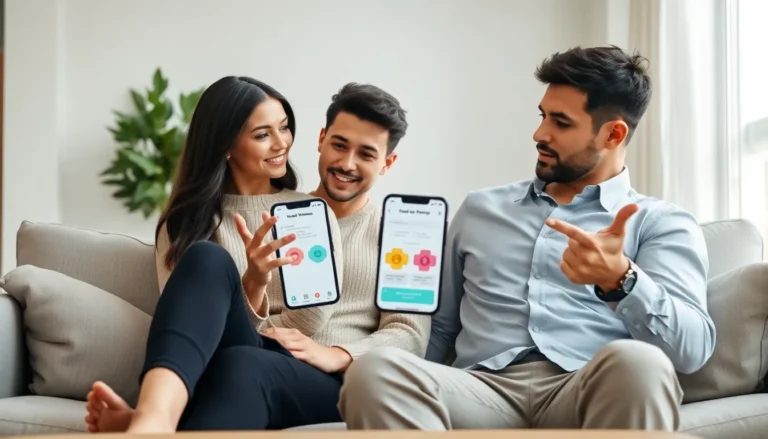
Some couples use AI-powered apps for relationship support. These tools offer conversation prompts, conflict resolution tips, and date night ideas. They provide accessible guidance between therapy sessions or for those who can’t afford professional help.
But, concerns about AI in relationships exist. Critics worry about over-reliance on technology for emotional connection. They argue that algorithms can’t replace genuine human intuition and empathy. Healthy skepticism about AI’s role remains important.
The best approach combines AI tools with human judgment. Technology can offer helpful suggestions and insights. But partners must still do the real work of listening, compromising, and showing up for each other. AI supports relationships: it doesn’t replace the effort they require.
Embracing Intentional and Slow Dating
Slow dating has become a major relationship advice trend in 2026. Singles are rejecting the swipe-and-move-on culture of earlier years. They prefer fewer, more meaningful connections over endless casual matches.
This approach means spending more time getting to know someone before physical intimacy. Dates focus on conversation and shared activities. Partners build emotional foundations before rushing into serious commitment. The goal is quality over quantity.
Intentional dating also involves clear communication about expectations. Singles state their relationship goals early in the process. They ask direct questions about what the other person wants. This honesty saves time and prevents misunderstandings later.
Many dating apps now support this slower approach. Some limit daily swipes or matches. Others require detailed profiles and thoughtful responses to prompts. These features encourage users to invest more effort in each potential connection.
The slow dating movement reflects a broader desire for authenticity. People are tired of surface-level interactions that lead nowhere. They want real partnership, and they’re willing to wait for it.